

Key Takeaways
- Inclusion in senior living means true belonging, not just physical access
- Thoughtful onboarding helps new residents feel seen and valued
- Personalized care plans honor each resident’s background, culture, and identity
- Asking the right questions on your tour reveals whether inclusion is genuine
What Inclusion in Senior Living Actually Looks Like
You want more than a comfortable place to live. You want to feel like you belong, like your story matters, and like the people around you genuinely see you. That feeling doesn’t happen by accident, and it doesn’t come from a brochure.
The most welcoming senior living communities build inclusion into every layer of daily life, from how team members greet residents in the morning to how menus reflect cultural traditions.
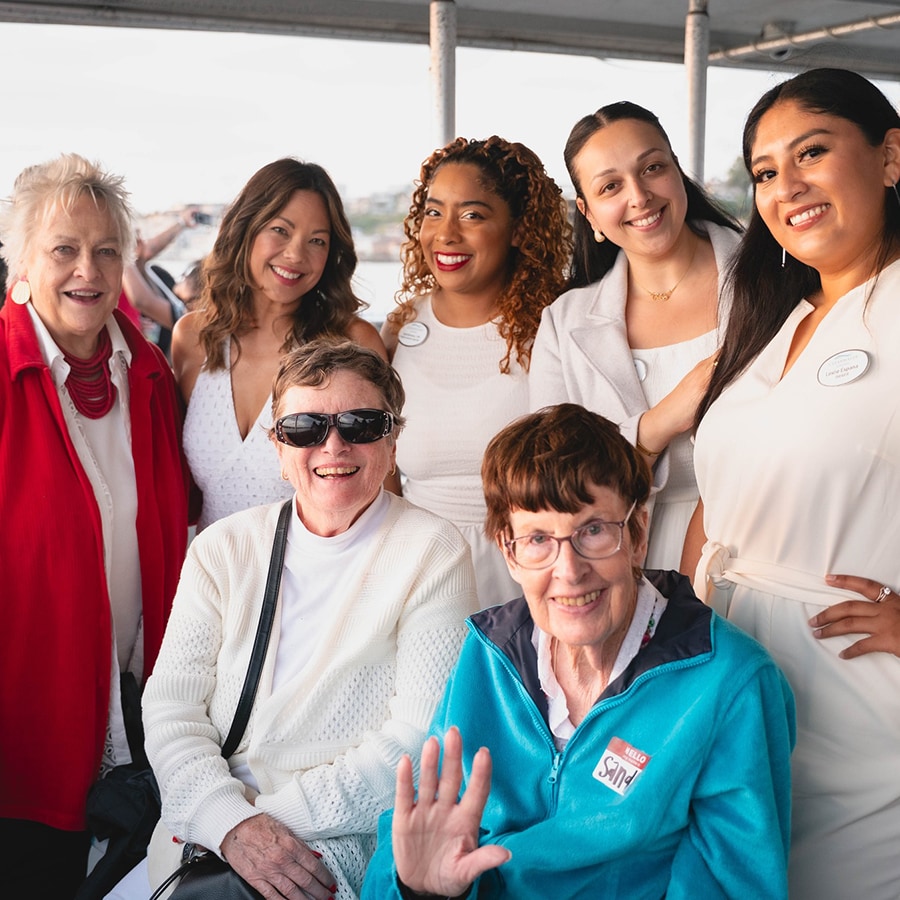
Inclusion is more than physical support or access to social spaces; it’s part of the culture, where residents from every background feel at home and connected.
How a Welcoming Environment Takes Shape Every Day
Warm Arrivals and Thoughtful Onboarding
Moving into a new home is a big transition. The way a community welcomes you from day one sets the tone for everything that follows.
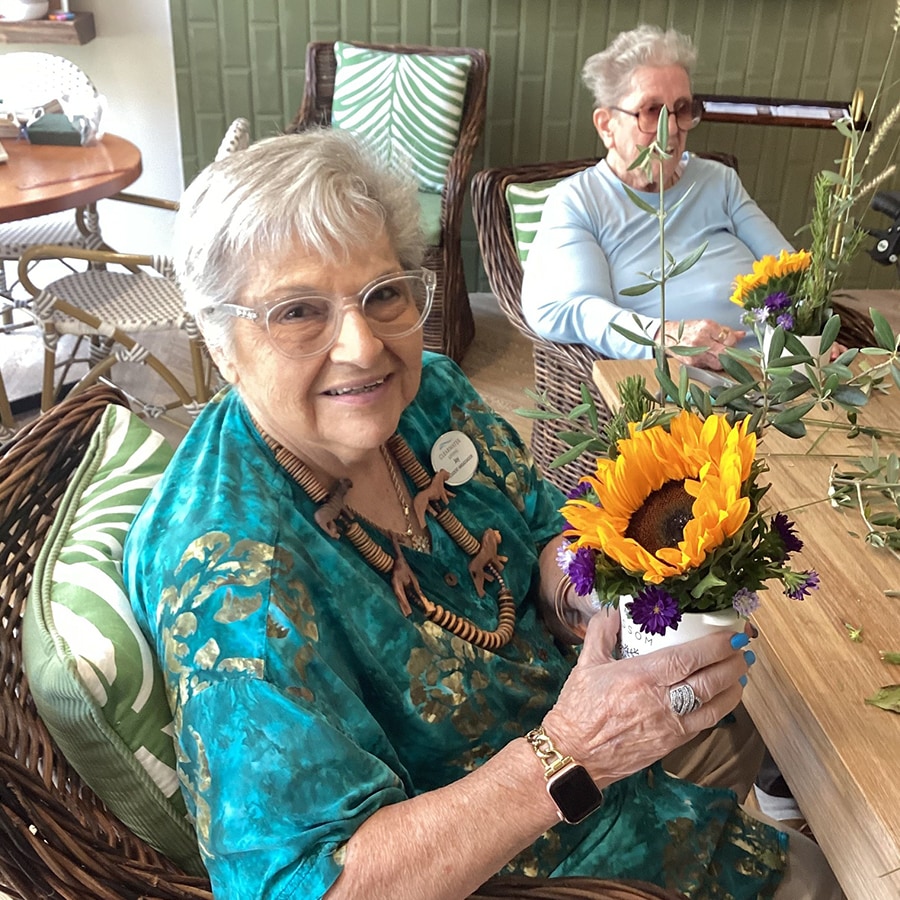
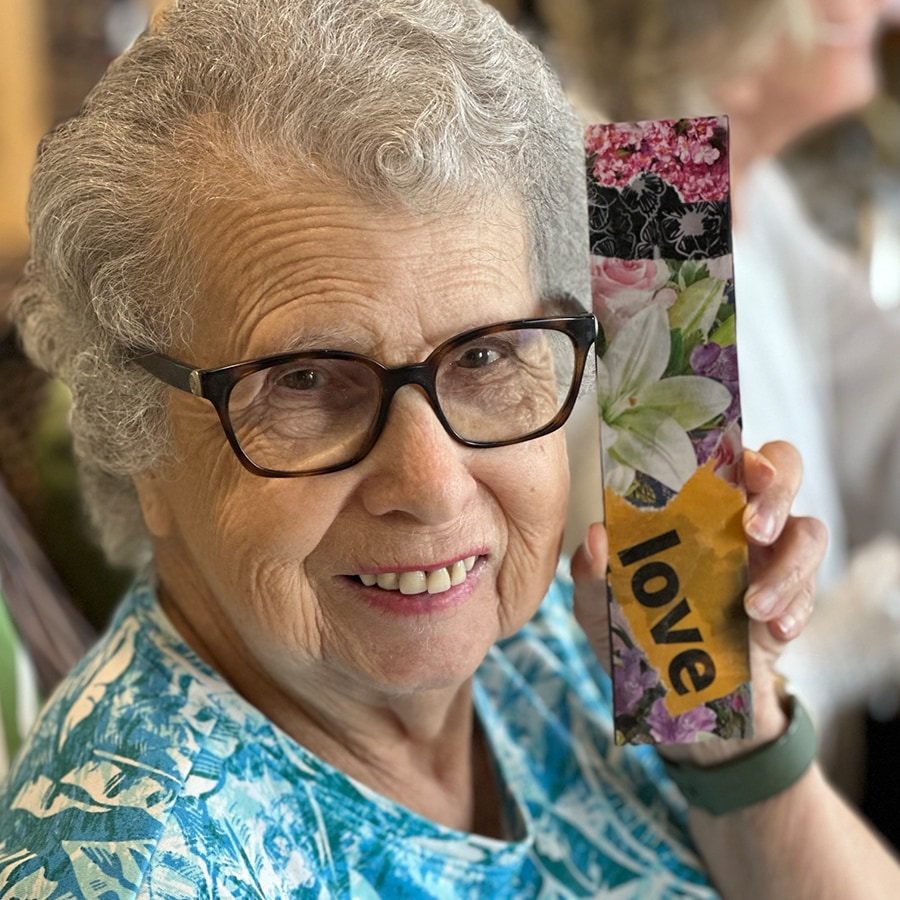
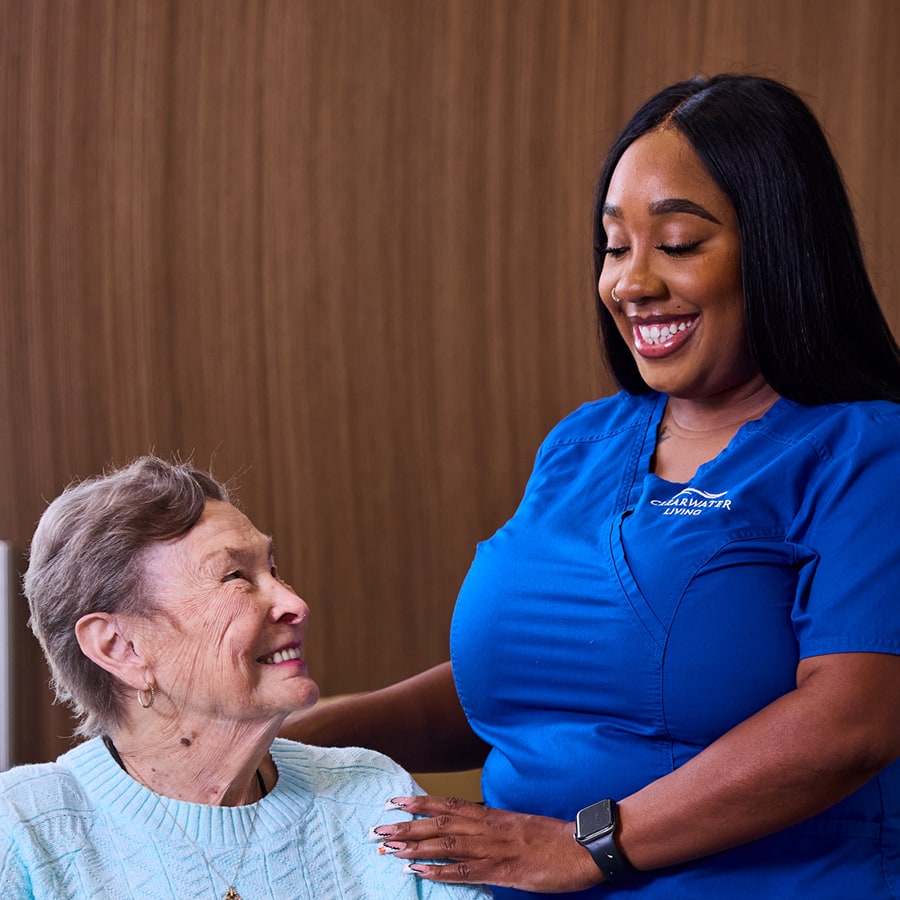
Small, personal touches make a real difference, like a team member remembering your name before you’ve had to repeat it twice or asking about a photo on your nightstand.
In communities that prioritize belonging, team members take the time to learn your preferences, daily rhythms, and the stories that have shaped you. That kind of attention isn’t just friendly. It’s what helps you settle in and start feeling at home faster.
Spaces Designed for Connection
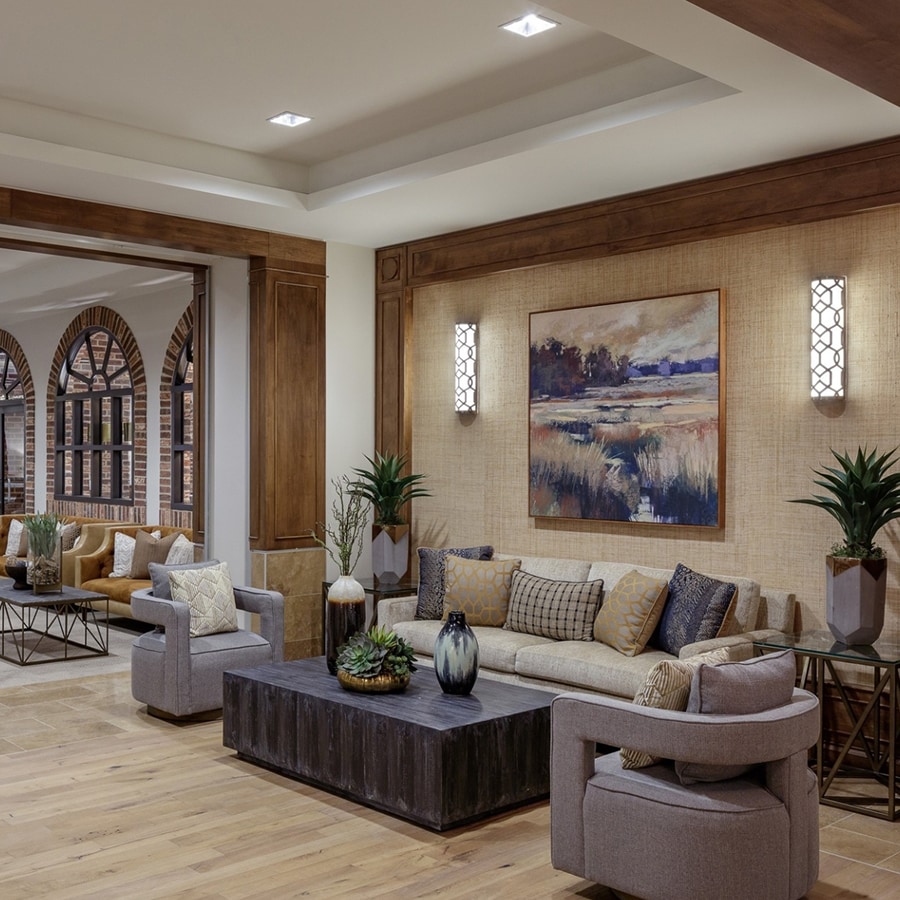
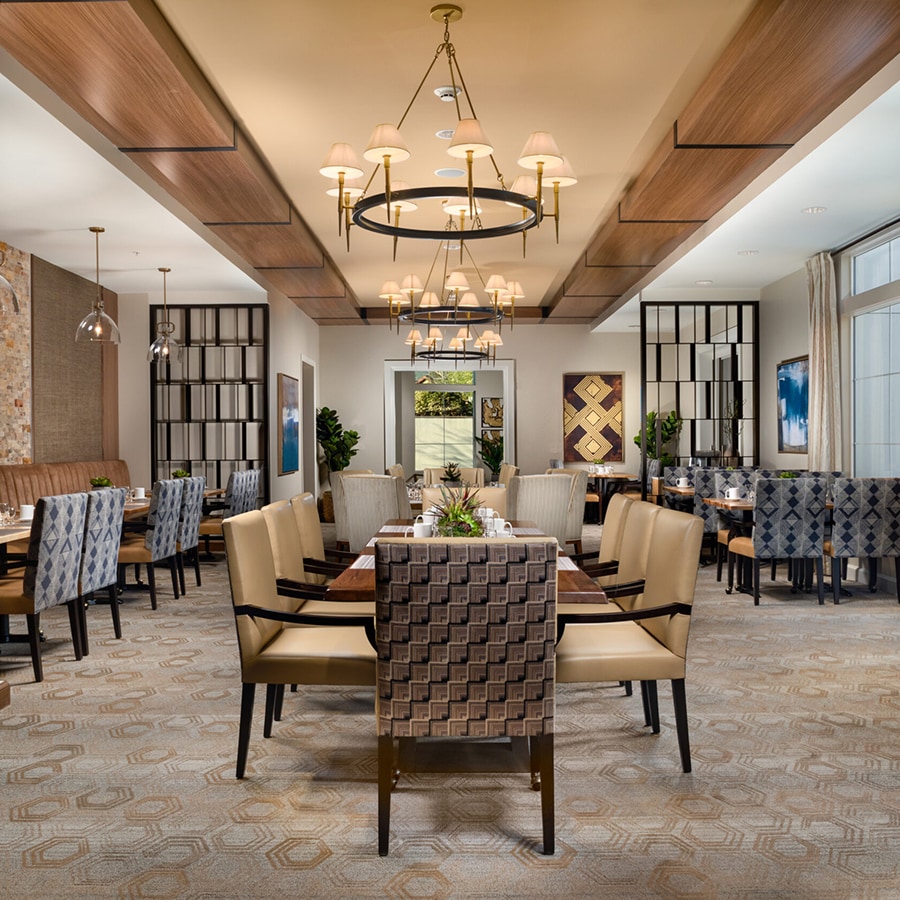
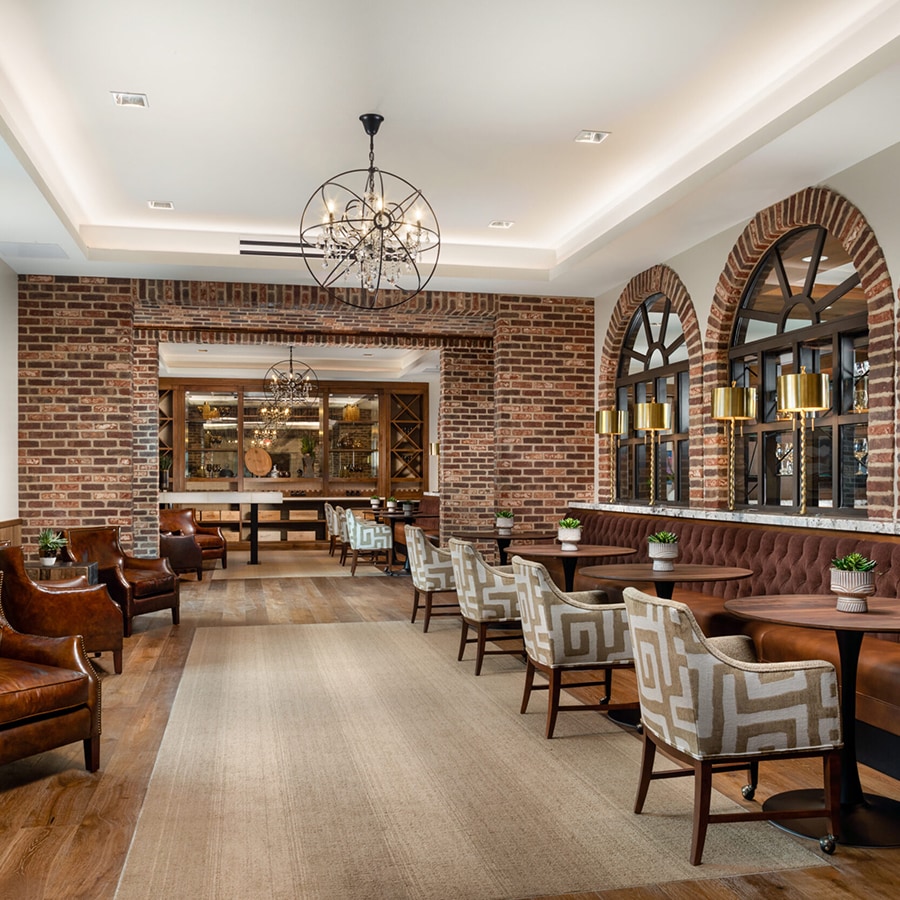
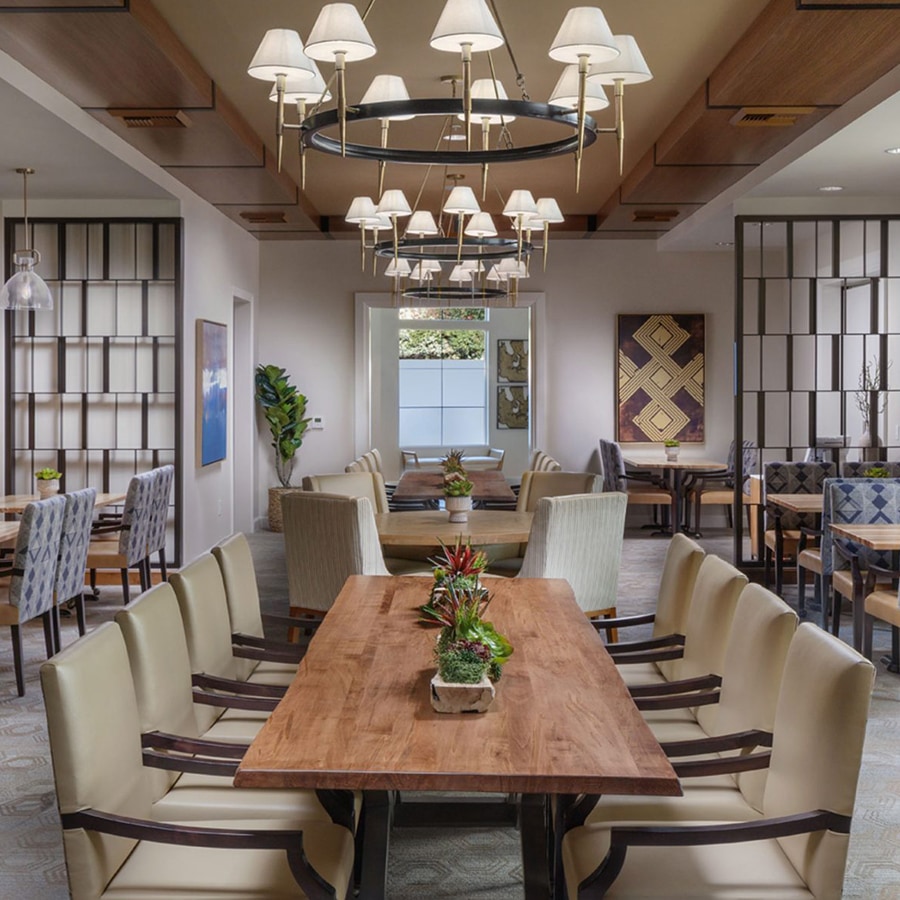
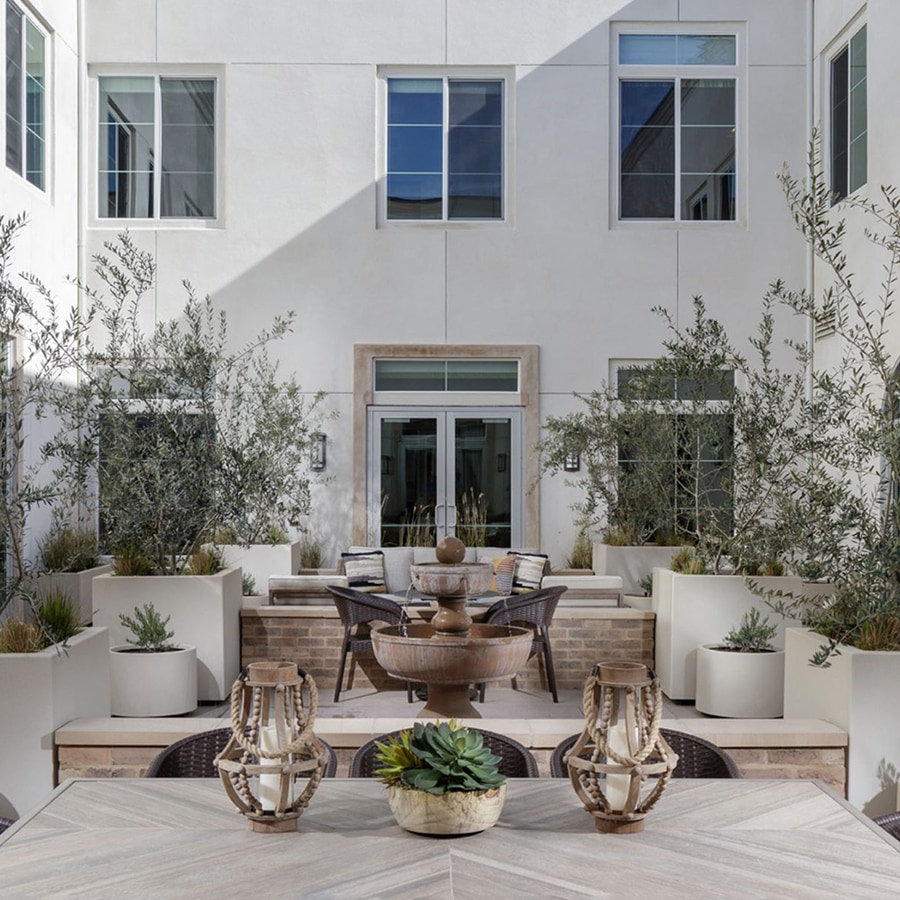
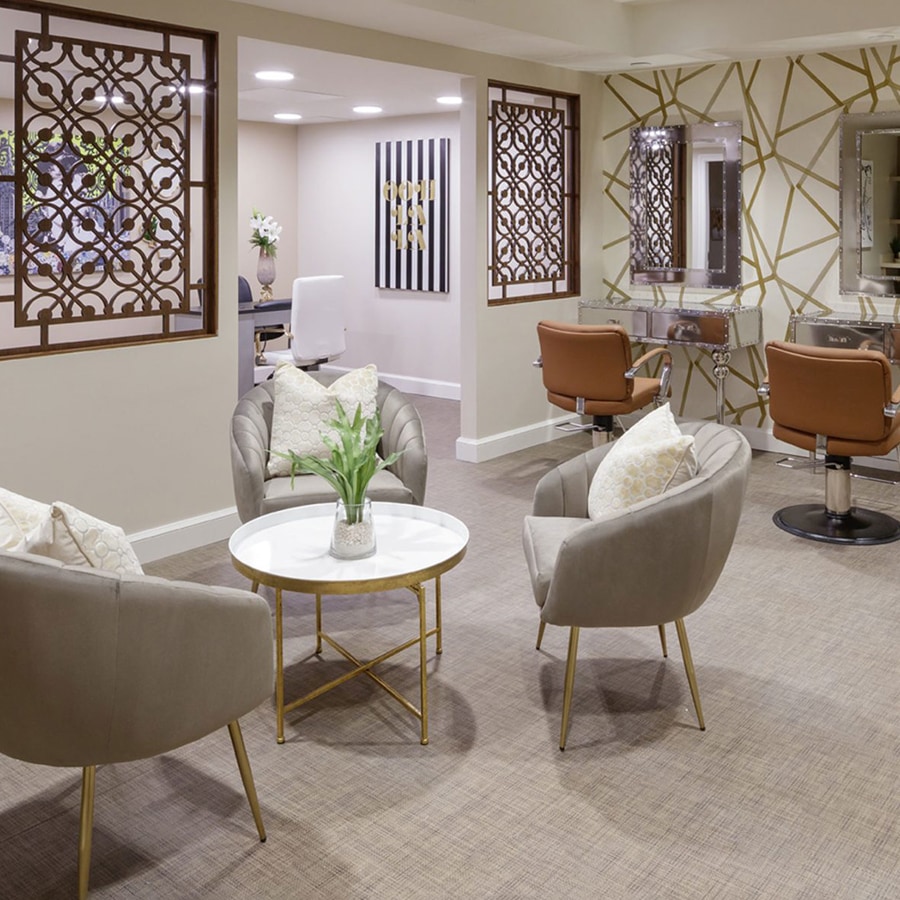
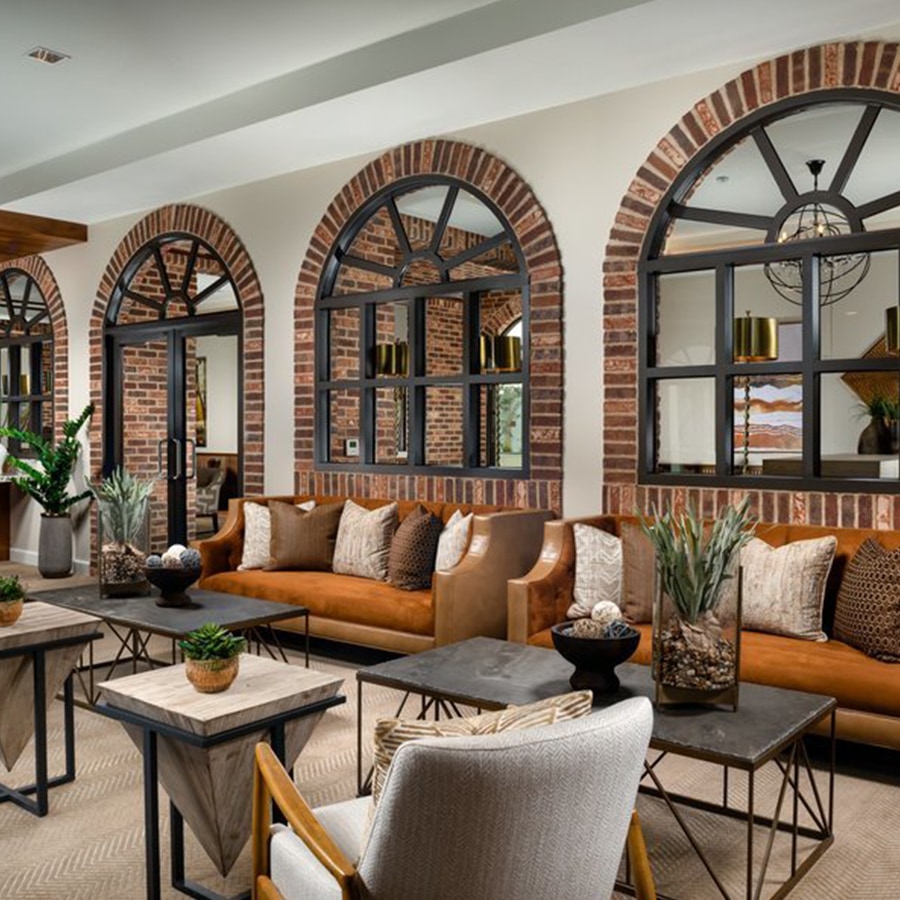
The physical design of a community says a lot about its values.
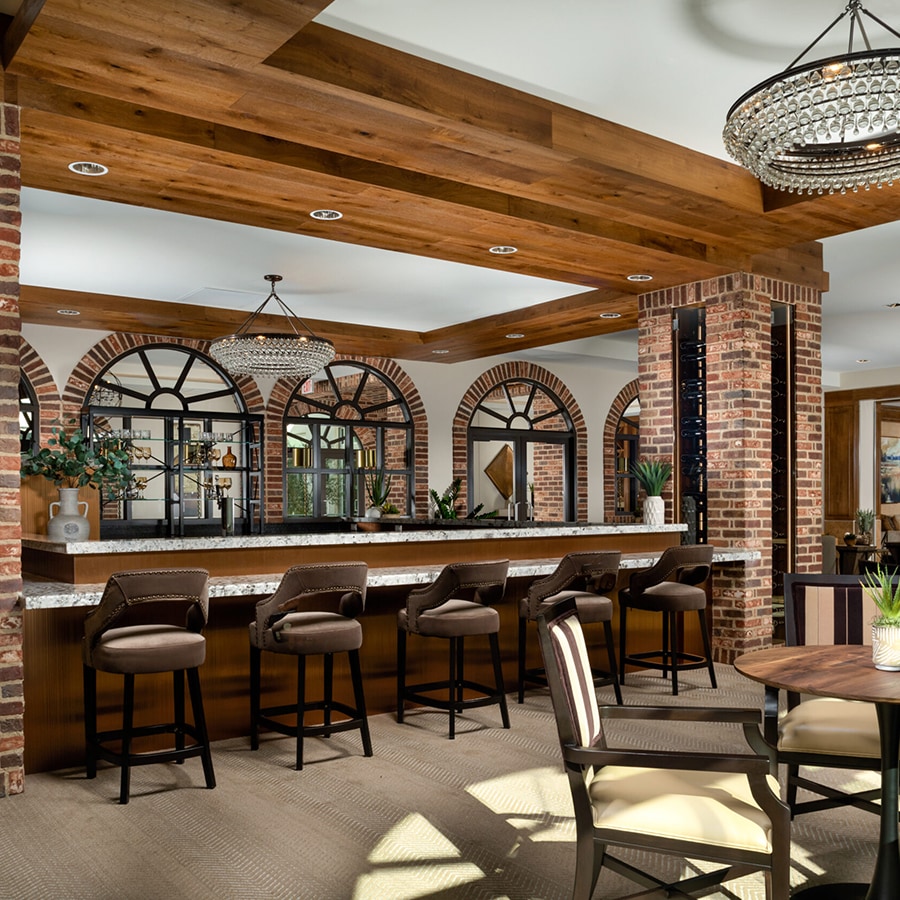
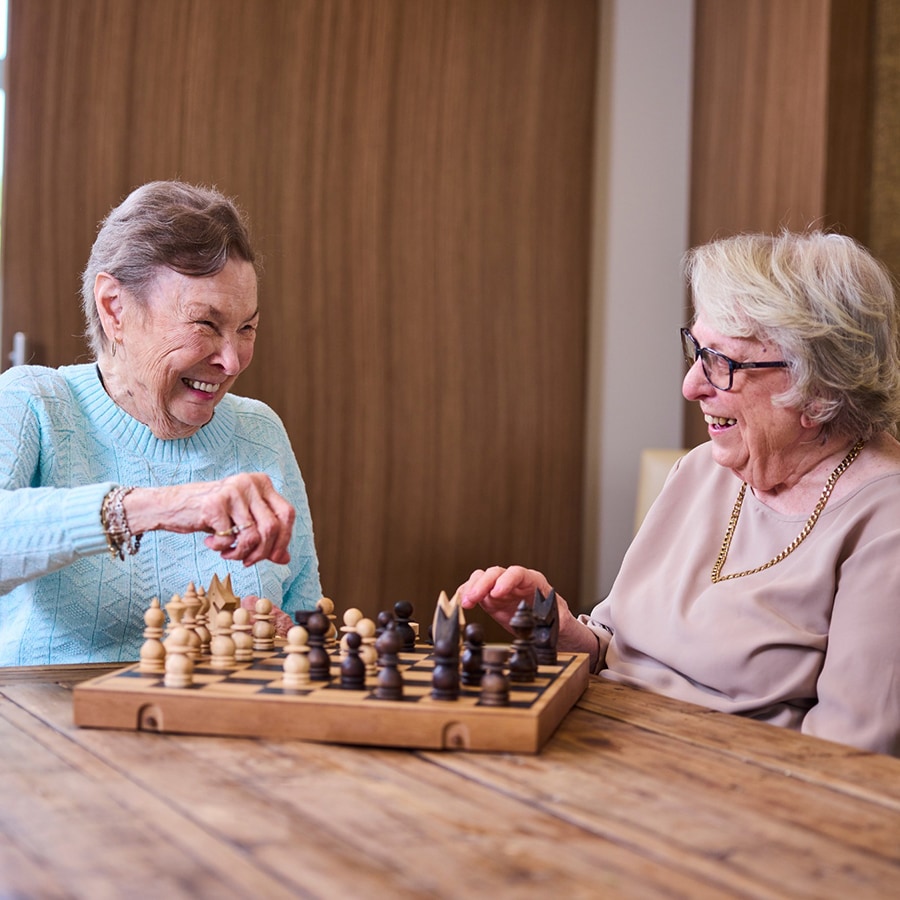
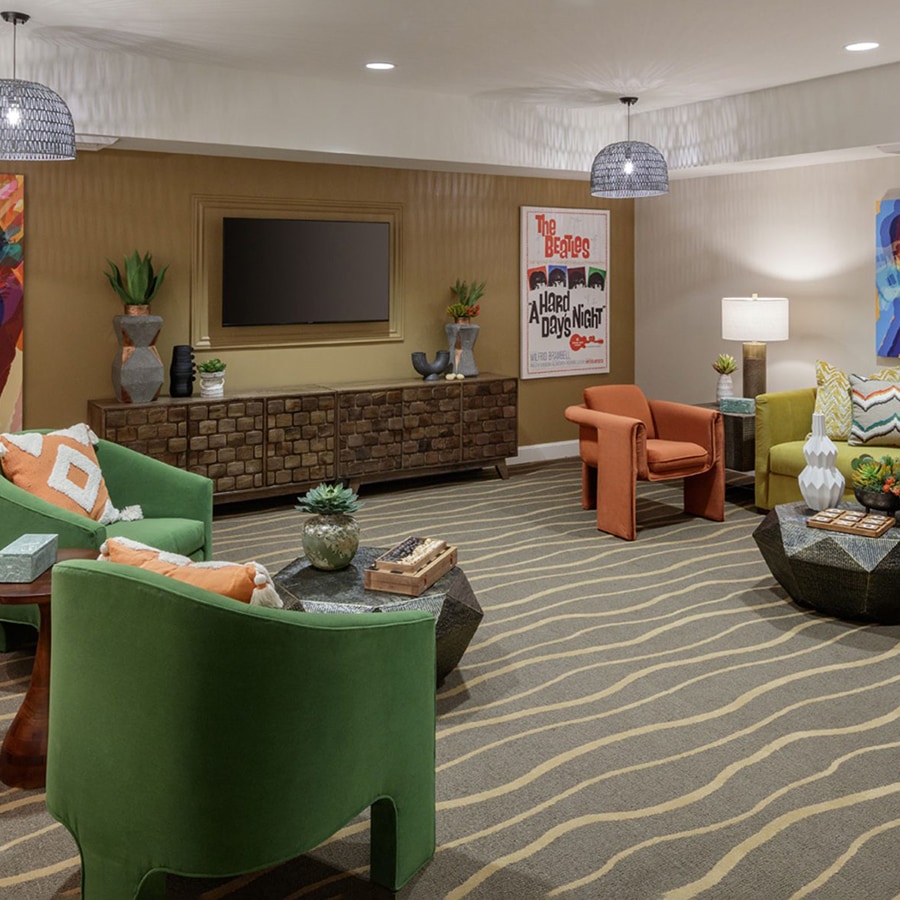
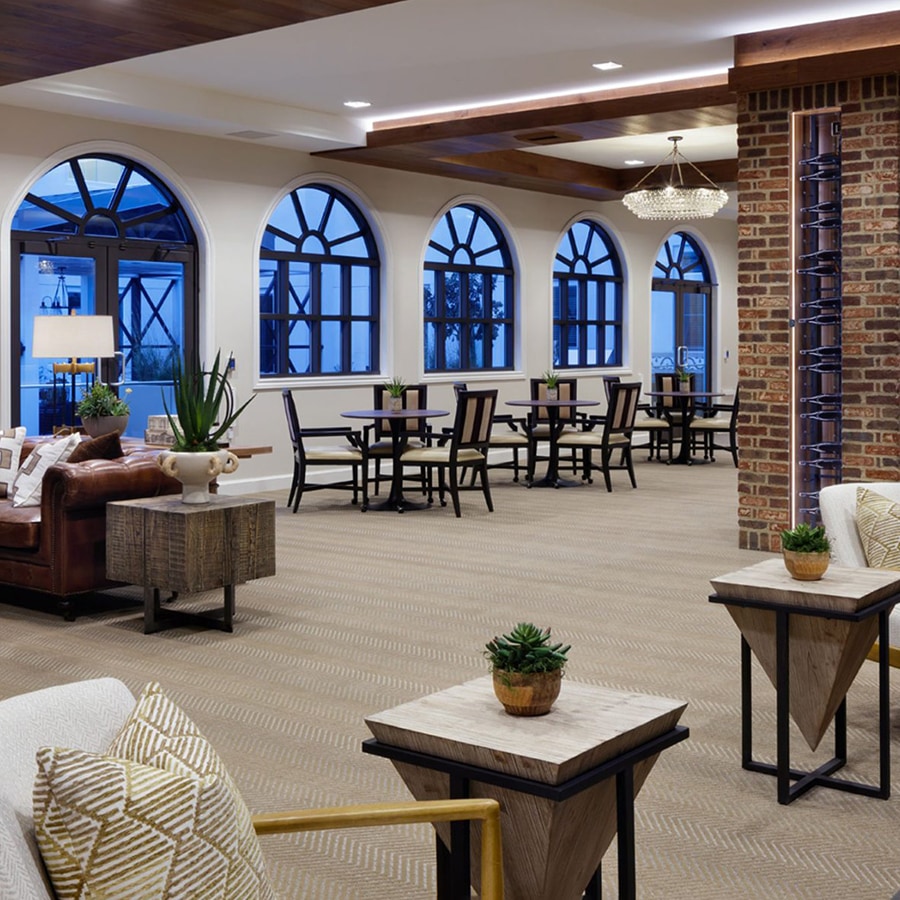
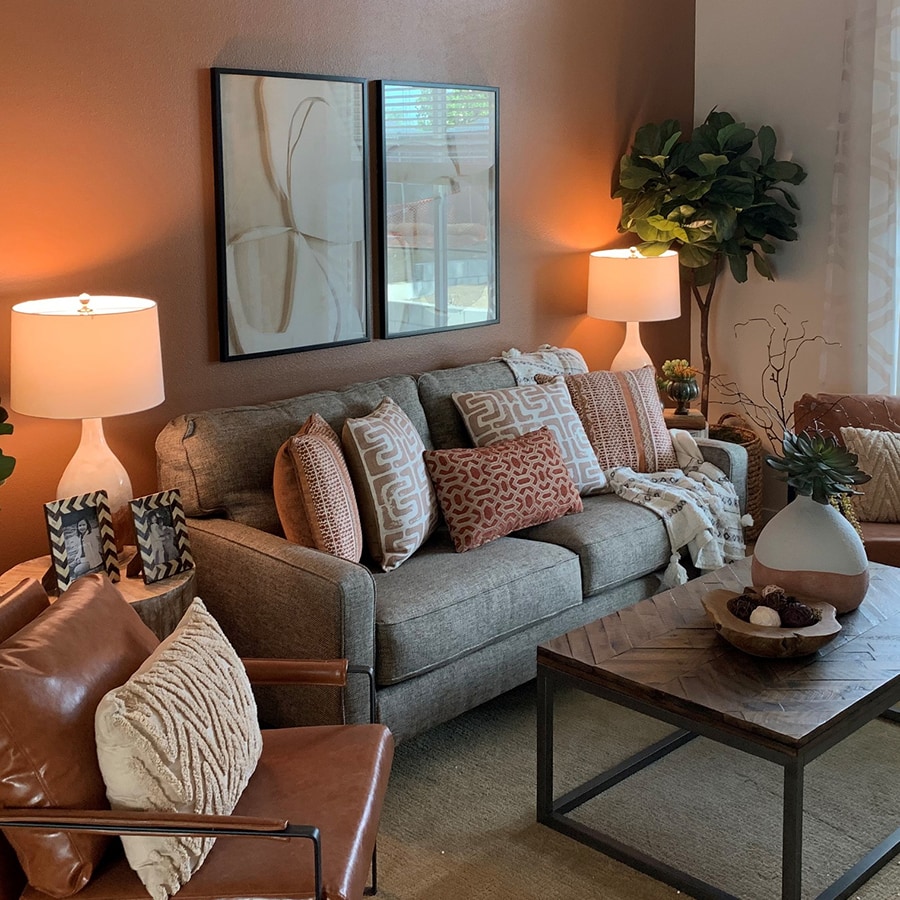
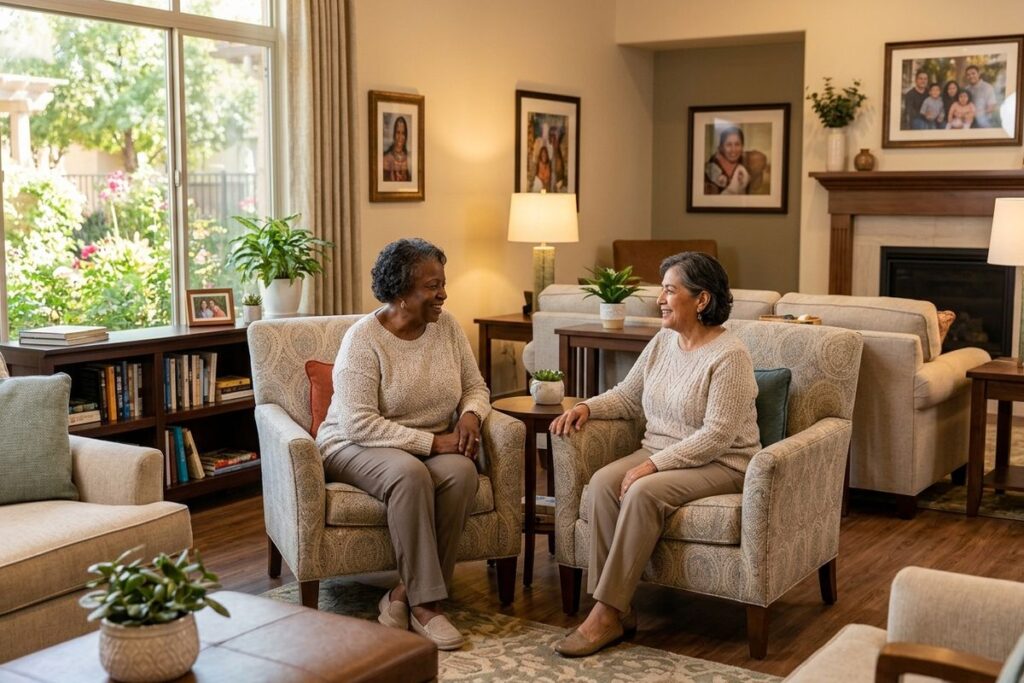
Common areas that invite conversation, cozy seating arranged for small groups, and shared spaces that feel lived-in rather than formal all encourage natural connection between residents. You can strike up a conversation without it feeling forced.
Private space is equally respected. A welcoming environment understands that belonging doesn’t mean always being around people. It means having the choice, and that balance matters deeply to overall well-being.
Culture, Identity, and Belonging in Assisted Living and Memory Support
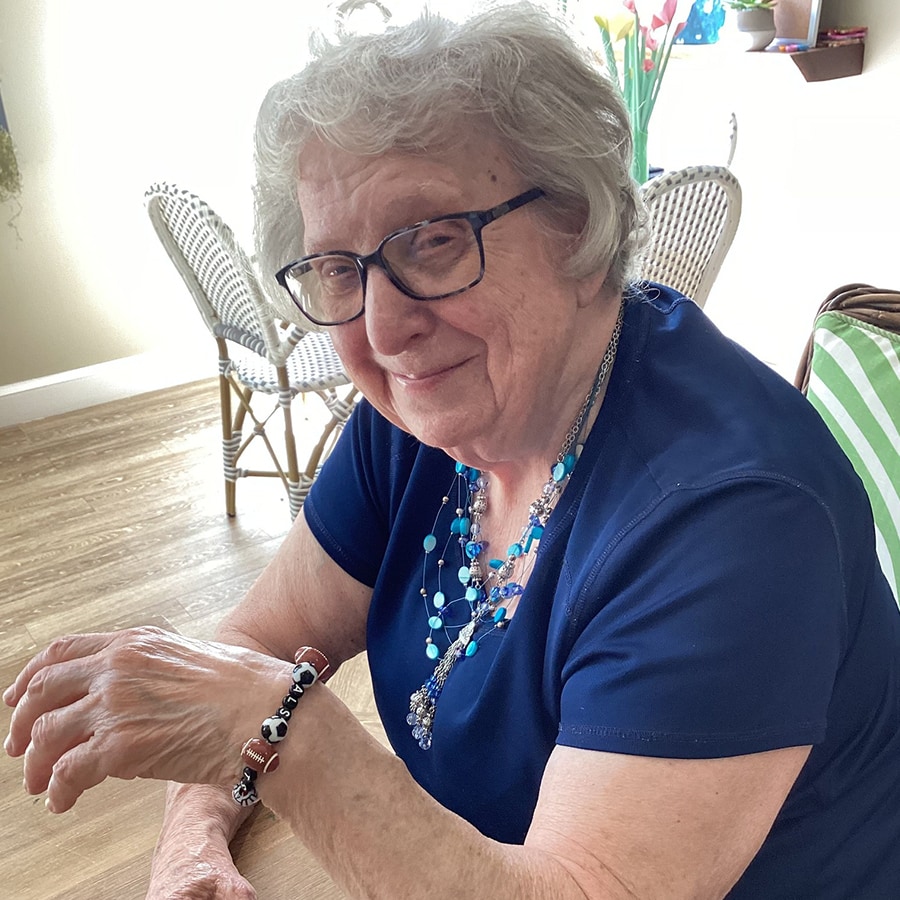
Honoring Each Resident’s Unique Background
Whether you’re considering assisted living for a parent or exploring memory care options for a loved one with cognitive changes, you want to know their identity will be honored.
That means more than just tolerance. It means seeing cultural heritage, faith traditions, and personal values reflected in daily life.
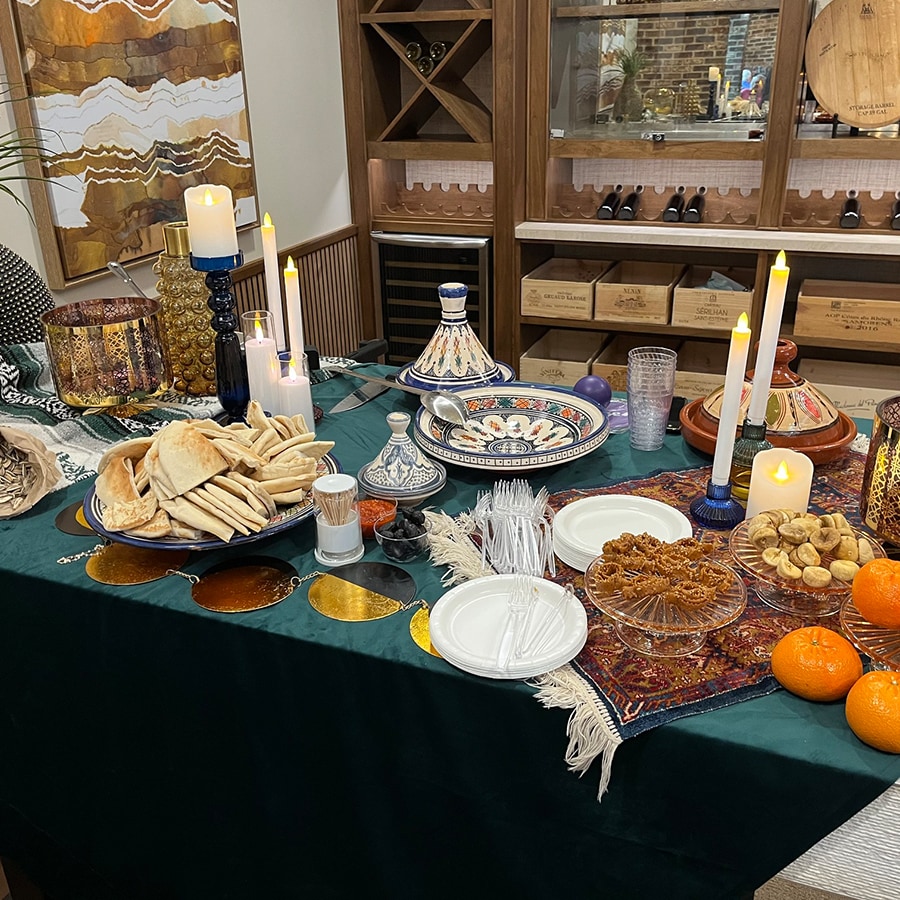
Thoughtful communities can incorporate culturally relevant meals, celebrate meaningful holidays, and build care plans around individual routines and values.
If a resident’s Sunday morning ritual has always involved attending church, that matters. If a resident grew up speaking a language other than English, that matters too.
Meaningful Social Activities That Bring People Together
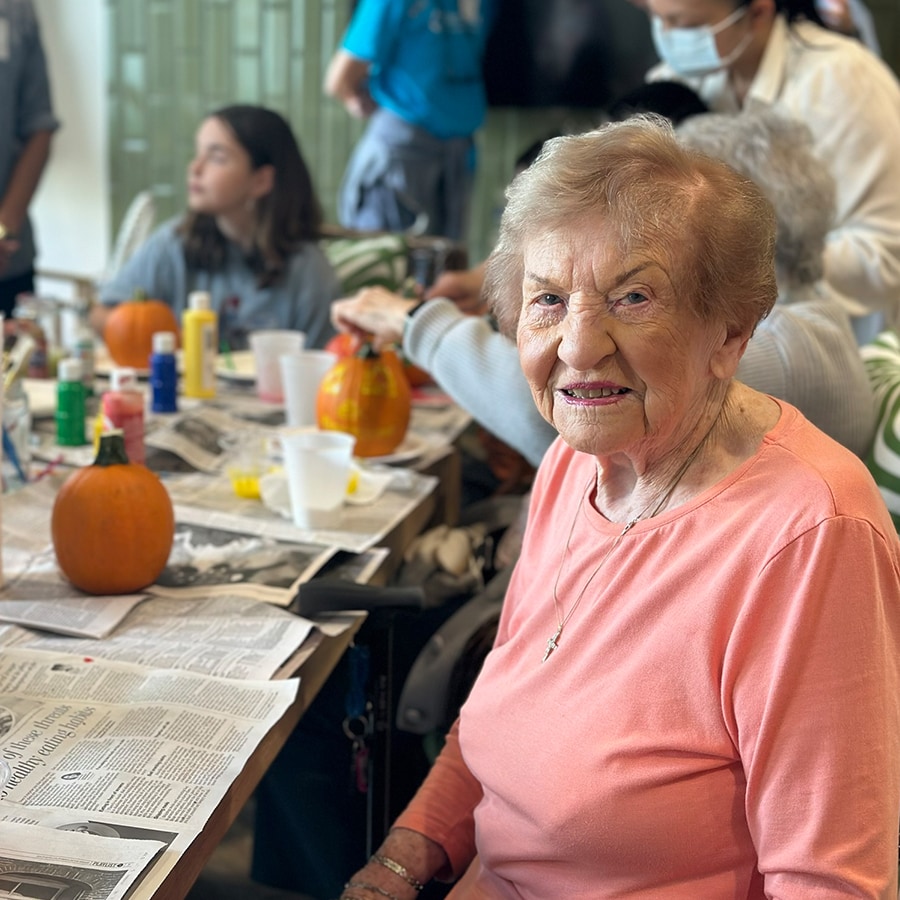
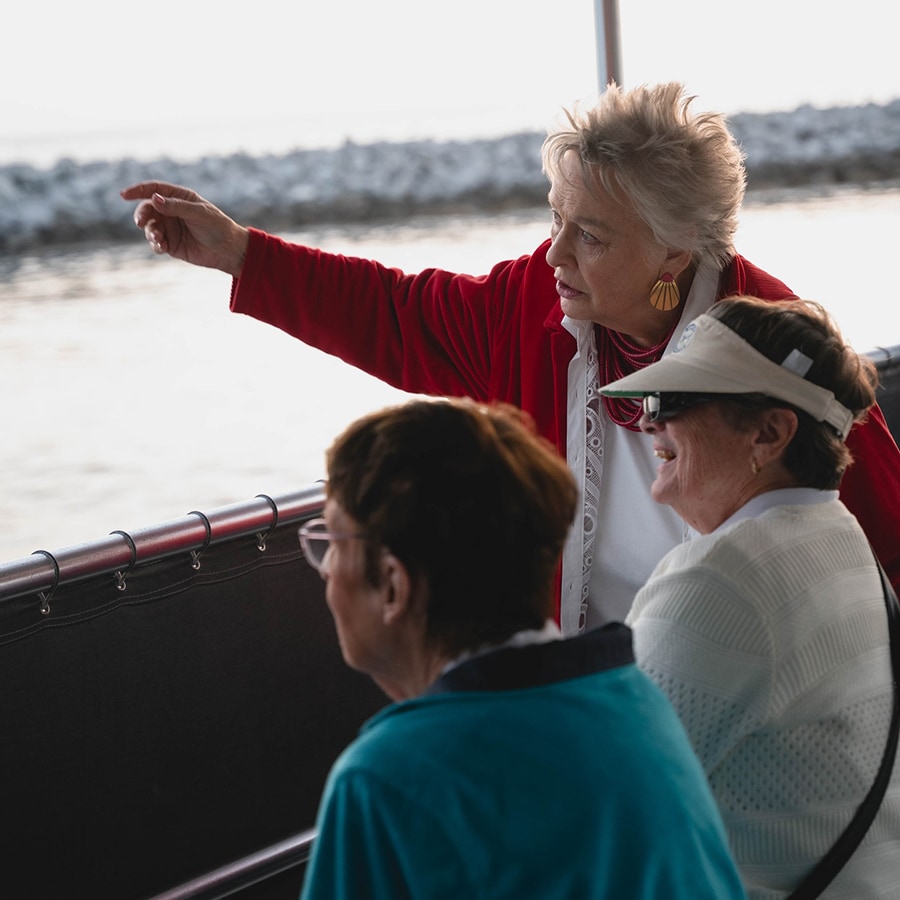
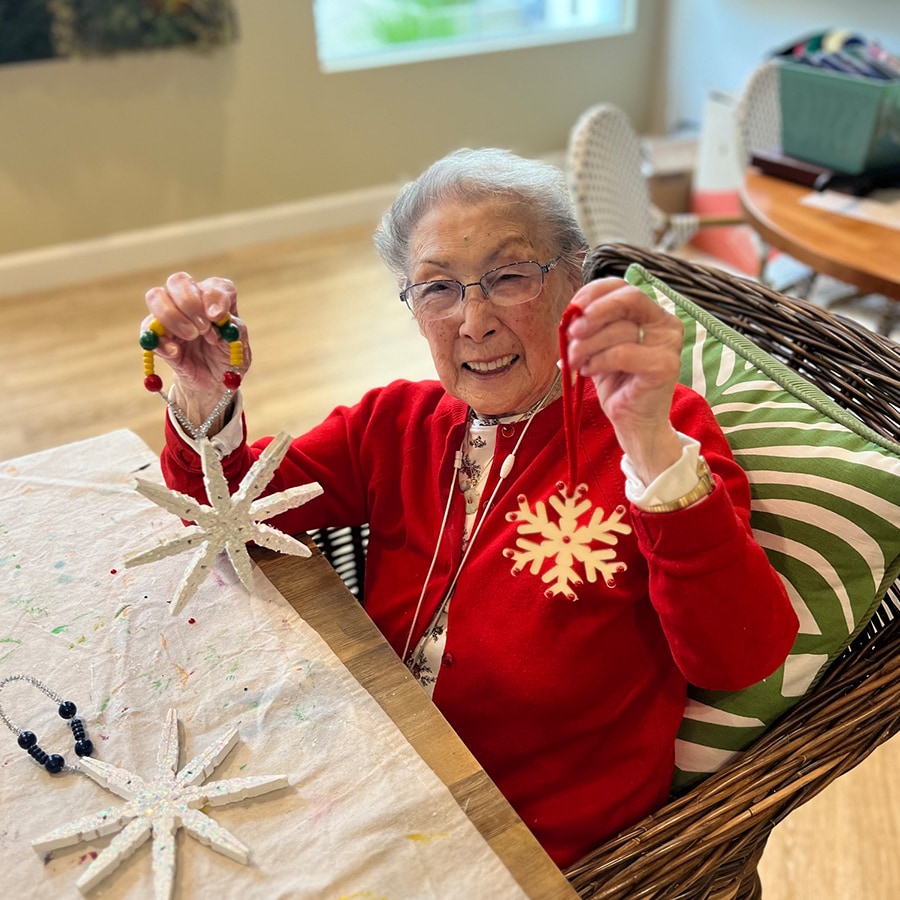
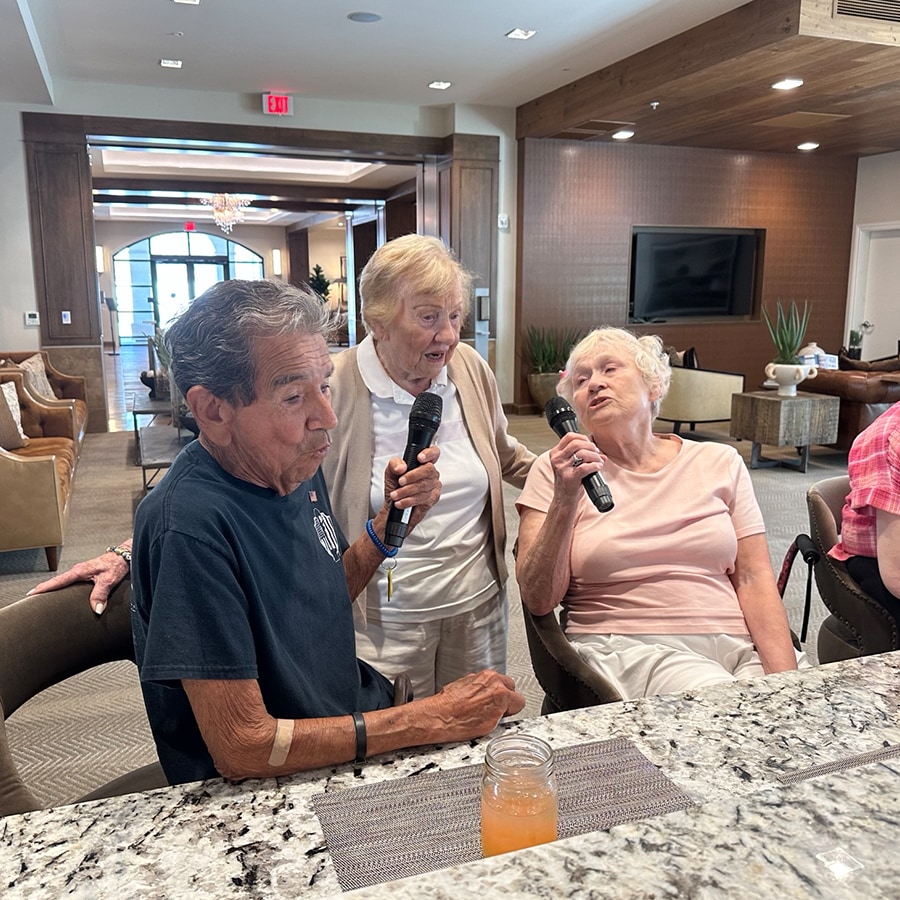
Programming that truly connects people goes beyond bingo and movie nights. When activities are tied to real interests, shared histories, and cultural roots, residents engage more deeply and form genuine friendships.
Resident-led storytelling, heritage celebrations, and community-driven events bring out the richness each person carries.
The benefits of meaningful engagement reach far beyond the activity itself, touching emotional and social well-being every single day.
How Team Members Foster a People-First Community
The team members who work alongside residents every day are the heart of any inclusive community. The language they use, the way they listen, and how they treat each interaction shape the entire atmosphere.
Respectful, dignified communication isn’t optional. It’s the standard.
Team members who are equipped to understand diverse backgrounds and identities can support residents through transitions, connect them with neighbors who share similar interests, and help newcomers feel less like strangers. That kind of investment in people shows up in every interaction, every single day.
When a team member takes the time to introduce a new resident to someone who shares a love of gardening or grew up in the same city, that moment matters more than any amenity on a list.
What to Look for When You Tour a Senior Living Community
Questions Worth Asking
When you visit a community, come prepared with questions that go beyond what’s on the website. Ask how the community celebrates diversity and identity throughout the year.
Ask what an all-inclusive senior living experience actually covers, from dining variety to cultural programming.
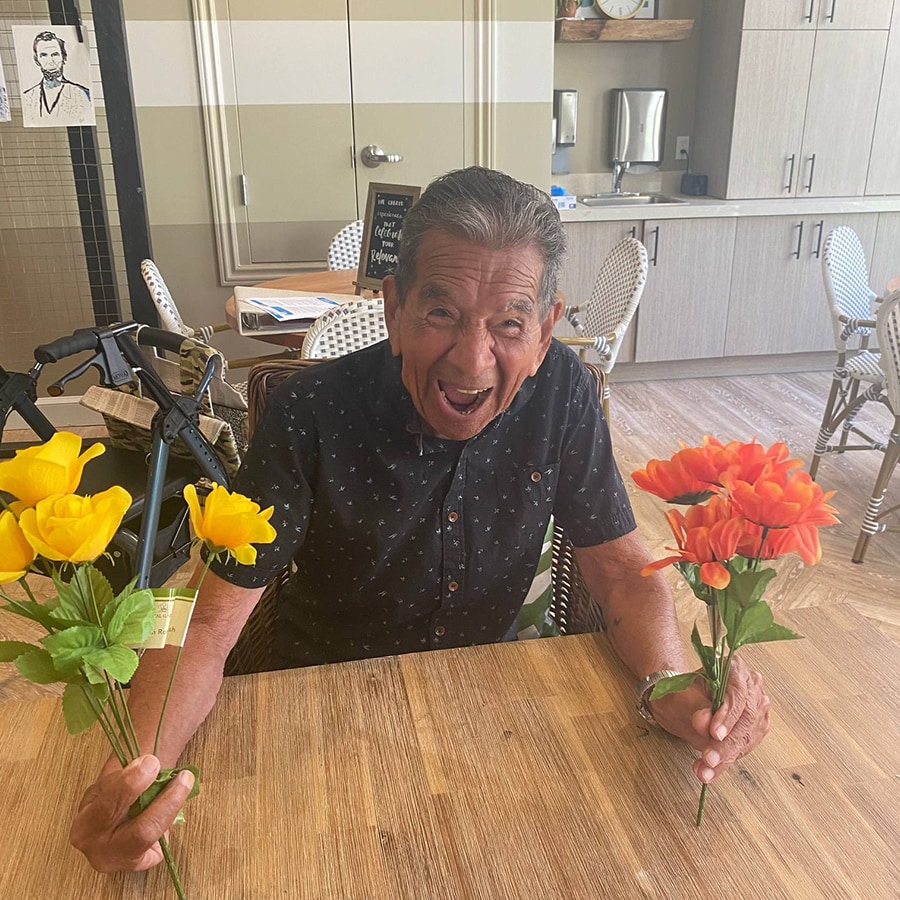
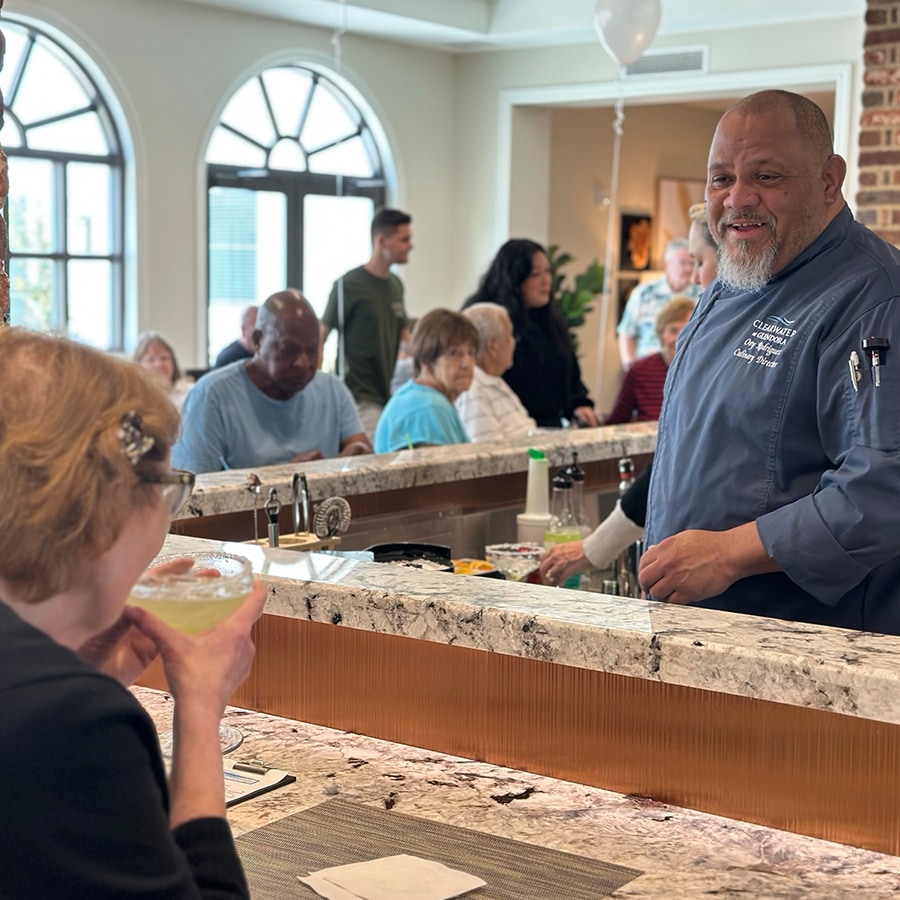
Notice how team members interact with residents while you’re there. Are residents smiling and engaged? Do team members know residents by name? The answers you observe often matter more than the answers you’re given.
Signs a Community Truly Walks the Walk
Look for residents from varied backgrounds who appear connected and comfortable. Your own instincts are a strong indicator of whether a community is genuinely inclusive.
Trust what you observe, ask follow-up questions, and pay attention to how the community makes you feel from the moment you walk in.
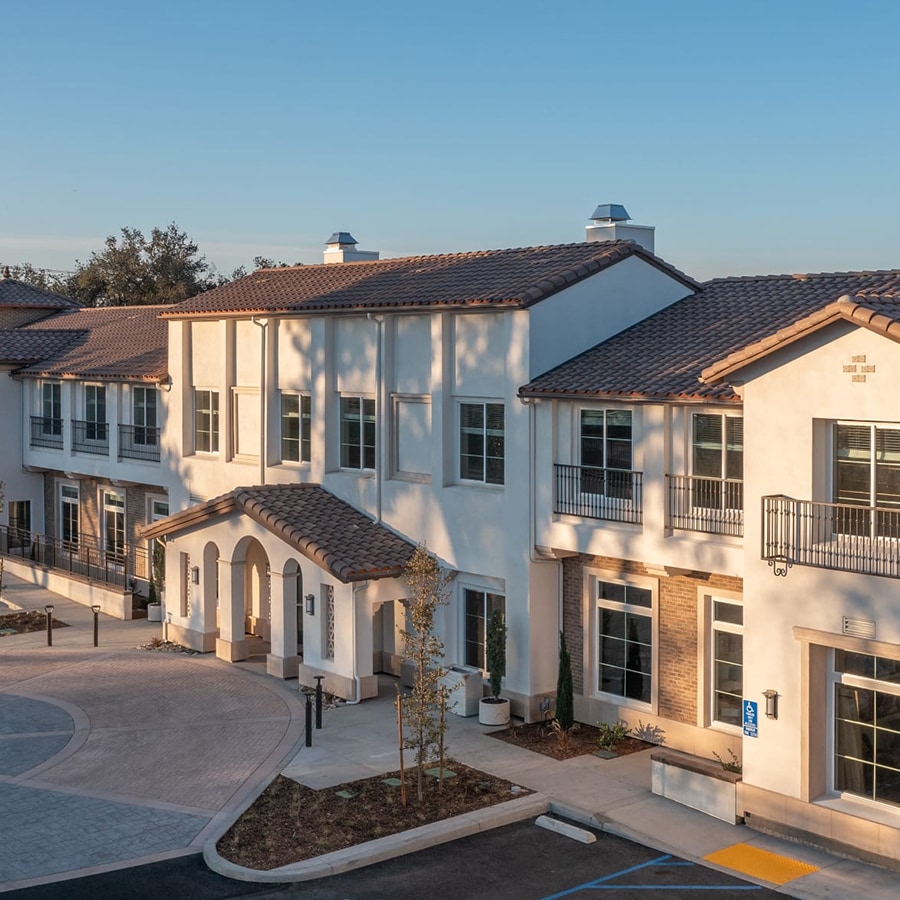
With Clearwater at Glendora, inclusion isn’t a talking point. It’s how we built our community, how we train our team, and how we welcome every resident each day.
When you’re exploring senior living options in the Glendora area, reach out to schedule a personal visit and see what belonging truly feels like.