Key Takeaways
- Functional fitness trains the movements you already make, like standing up, reaching, and carrying
- Chair squats, overhead presses, high-knee balance, farmer’s walks, and step-ups cover the basics
- Water bottles, light dumbbells, resistance bands, and a sturdy chair are all you need to start
- Short sessions a few times a week, around 8 to 10 reps, help you build up consistency
- October 28th brings National Health and Fitness Day, a great reason to start moving with friends
Everyday Strength Starts with Everyday Movement
Getting out of a low armchair takes a push off the armrests. The top shelf feels a little farther away than it used to. Regular groceries start feeling twice as heavy.
Functional fitness trains your body for the exact movements your day already asks of you, so standing, reaching, twisting, carrying, and climbing stairs feel steadier and easier.
The exercises below take just a few minutes and can fit right into your living room. And with National Senior Health and Fitness Day arriving on October 28th, now is an encouraging time to start a new healthy habit.
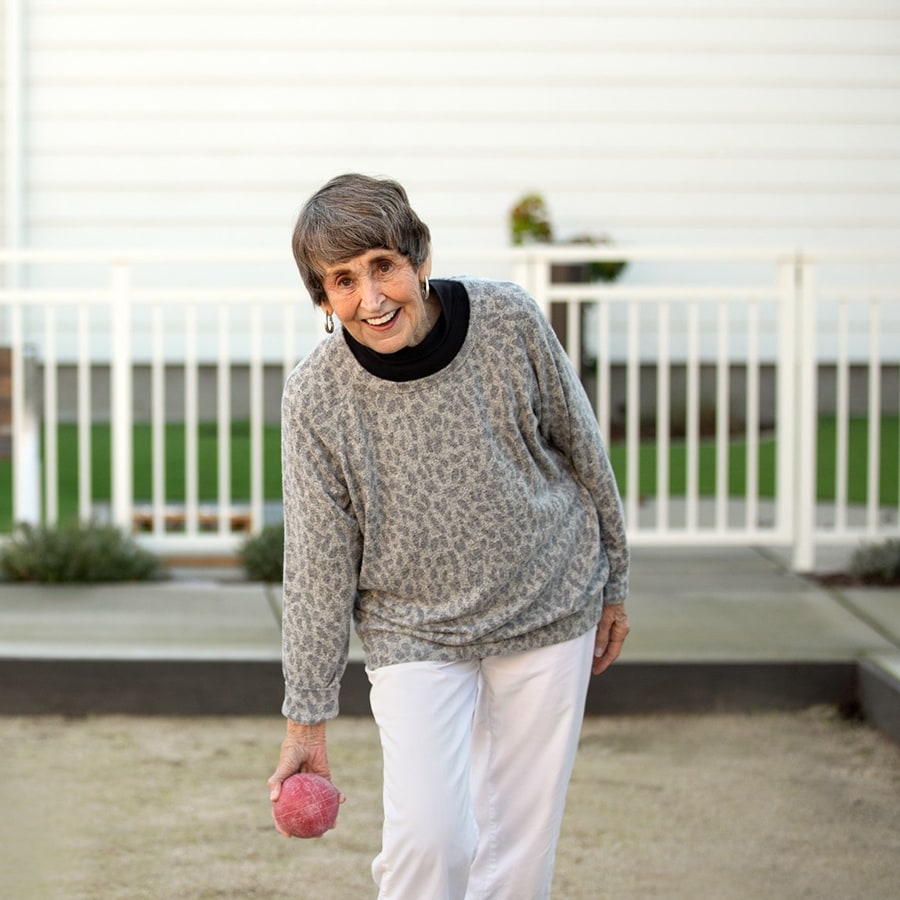
Treat it as a starting line, not a single day: gather neighbors for a walk through a favorite park, host a friendly gathering, and so on. Movement always feels easier when someone’s laughing beside you.
What Functional Fitness Means for Daily Life
Think about your morning. You rise from bed, twist to grab a robe, reach for a mug, step down off a curb on your way outside. Every one of those is a movement pattern you can practice on purpose.
That’s the whole idea. Instead of exercises that only look good in a gym, functional fitness focuses on squats, reaches, twists, carries, and step-ups. These patterns support strength, balance, and independence so you can keep doing things your own way.
Why It Matters as You Age
Strength that transfers to daily life shows up in small, satisfying ways. You push out of a chair without using your hands. You climb a flight of stairs without pausing at the landing.
Balance is part of the picture, too. Steadier movement helps reduce the risk of falls and injuries, helping you feel more secure stepping off a curb or turning quickly to greet a friend. That steadiness often brings something even better: confidence in your own routine, and it supports fall prevention at the same time.
5 Functional Exercises to Try
- Chair squat: Sit tall in a firm chair, then stand up without pushing off your hands. Lower back down slowly. This move helps make rising from the couch feel effortless.
- Overhead press: Hold a light weight in each hand at shoulder height, then press straight up. Your arms learn the strength they need for high shelves and cabinet doors.
- High-knee balance: Hold a counter, lift one knee halfway toward your chest (about 90 degrees), and hold for a few seconds. Switch sides. Steadier footing on grass, gravel, and uneven sidewalks starts here.
- Farmer’s walk: Carry a weight in each hand and walk slowly across the room, shoulders back. Groceries from the car to the kitchen can get a whole lot easier.
- Step-ups: Step onto a low, stable step with one foot, bring the other up, then step back down. Stairs and curbs can stop feeling like obstacles.
Simple Gear You Can Use at Home
You don’t need a rack of equipment. A few everyday and small-footprint items can cover almost everything on this list.
- Light hand weights, or 2 filled water bottles
- A resistance band for gentle pulls and presses
- A small ball to squeeze during seated work
- A sturdy chair or kitchen counter for support
How Often to Practice
Short sessions beat long ones you dread. A few times a week, 10 or 15 minutes at a time, adds up faster than you’d expect.
Start with 8 to 10 repetitions of each move and see how you feel the next day. If something pinches or aches, ease back, shorten the range, or skip that exercise and return to it later. Progress comes from consistency, not from pushing through discomfort.
How to Choose the Right Moves for You
Pick the movement that feels hardest right now. If lowering into a chair takes real effort, chair squats deserve your attention. If you find yourself reaching for a wall when you turn quickly, start with balance work.
Most people benefit from a mix: some balance practice and some lower-body strength, rotated through the week.
Add a daily walk at a distance that feels comfortable, whether that’s around the block or down the hallway and back. Walking ties everything together and gives your new strength somewhere to go.
Ways Senior Living Communities Keep Movement Social
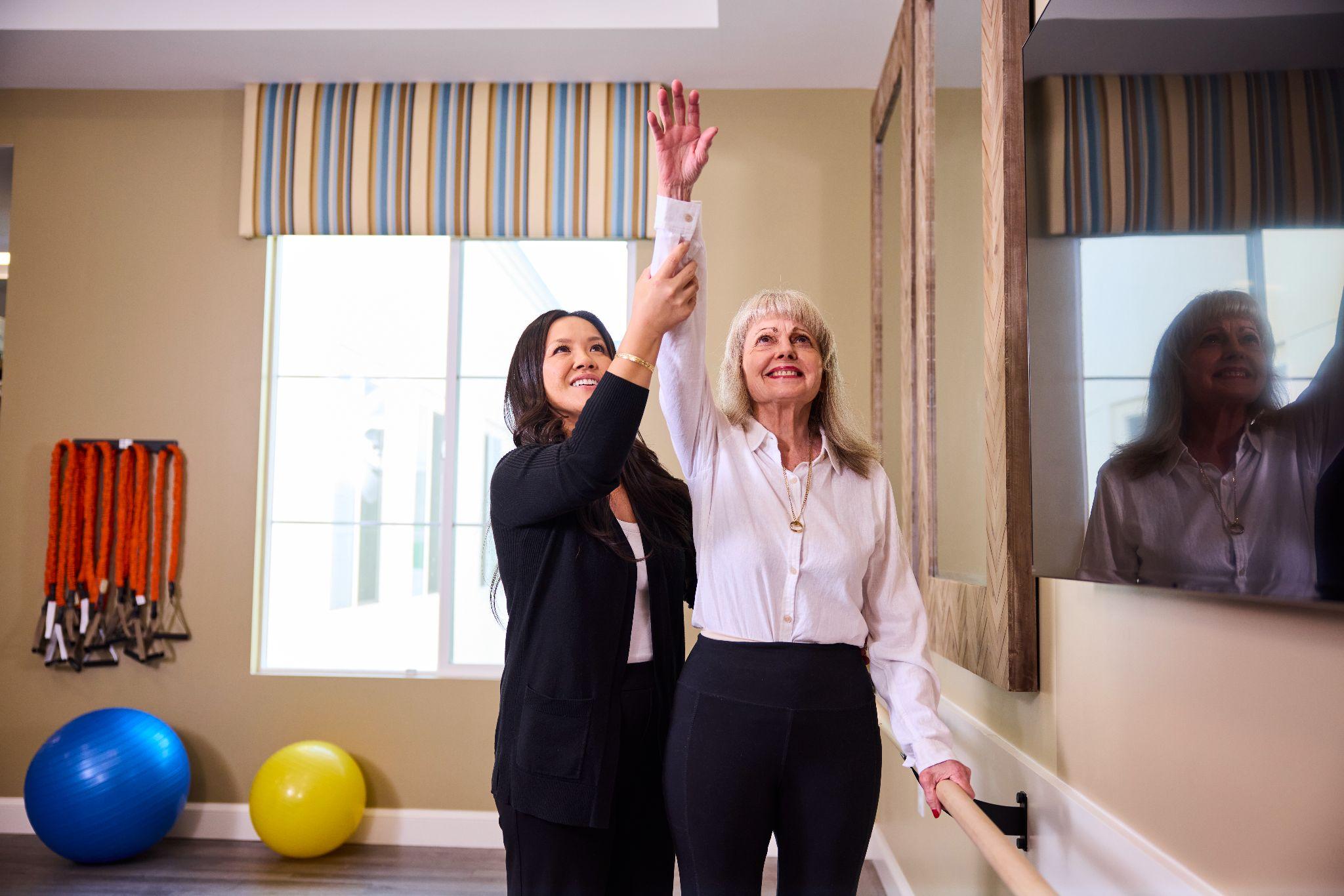
In senior living, fitness rarely happens alone. Group classes led by wellness team members turn a workout into a standing date with people you enjoy.
Walking paths, gardens, and courtyard strolls give you reasons to move without ever calling it exercise. For those in assisted living or memory care, team members adapt each activity so the invitation stays open to everyone, at whatever pace feels right.
Movement That Keeps You Living Fully
Small habits, real payoff. A simple 5 minutes of chair squats today can mean carrying your own bags next spring. Strength and balance are what keep independent living feeling independent, and they’re built one honest repetition at a time.
At Clearwater at Glendora, wellness shows up in daily life through classes, walking paths, and team members who know what motivates you. Reach out to schedule a visit and see how movement fits into life here.